Cinematic Context & Narrative Scope
Thirty years after the events of Ridley Scott's original 1982 masterpiece, *Blade Runner 2049* expands the dystopian mythology without sacrificing intimate character introspection. Officer K (Ryan Gosling), a Nexus-9 replicant working for the Los Angeles Police Department, discovers a long-buried secret that threatens to destabilize human-replicant social structures.
Visual Craft & Roger Deakins' Color Palette
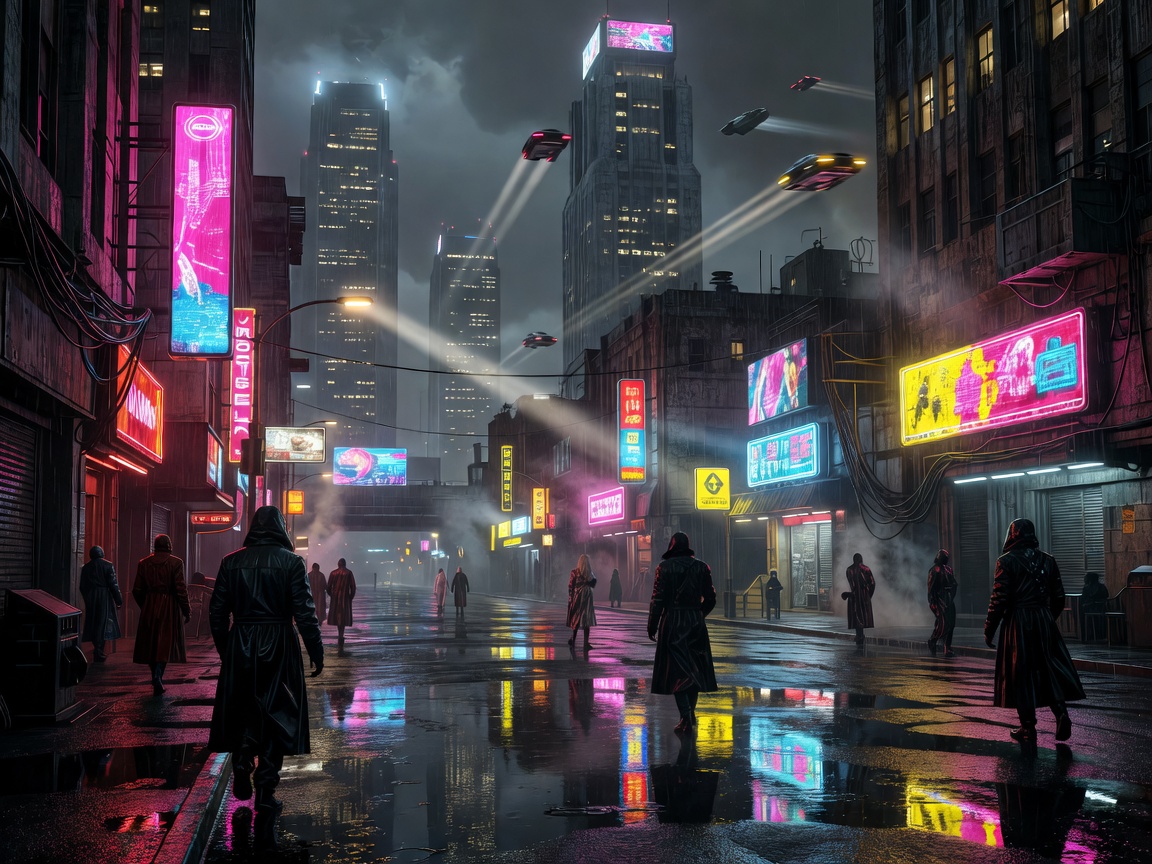
The visual framework established by cinematographer Roger Deakins utilizes distinct color temperature zones to define narrative environments. The neon-drenched, rainy streets of Los Angeles present cool cyan and deep purples, contrasting sharply with the apocalyptic amber glow of radioactive Las Vegas ruins.
Deakins' use of naturalistic lighting through geometric architecture creates an immersive sense of physical scale, earning the film its deserved Academy Award for Best Cinematography.
Philosophical Themes & Synthetic Soul
At its core, the film examines what constitutes authentic human experience. Through K's relationship with Joi, an artificial intelligence holographic companion, the story challenges traditional metrics of love, memory, and purpose.
"All the best memories are hers." — *Blade Runner 2049* delivers an unmatched masterclass in science fiction storytelling.